Adjuncts Help Accounting Pipeline and Are Great Opportunities for Retirees
By David H. Sharpe, CPA, Baruch College and Kean University –
June 10, 2026

Teaching at the college-level can be a rewarding “second act” for highly qualified retired CPAs. It is wonderful to be on campus with students and it’s enjoyable to “give back” and support the accounting pipeline by helping students during their journey. In addition, more broadly, highly-qualified retired CPAs bring deep experience and much needed professional skill development experience to accounting programs. With increasing accounting enrollments, there are needs and opportunities for more adjunct faculty. But retired CPAs should be aware of the credential and experience required to be considered a “highly-qualified” candidate.
Increasing Accounting Enrollments and Need to Support the Accounting Pipeline
While accounting has long been recognized for its apprenticeship model and training and development, enhancements have been made to the work model and entry-level compensation. In addition, many states have introduced alternative pathways to becoming a CPA (such as New Jersey) importantly including an alternative to the 150-hour rule, effectively eliminating a key barrier to entry for many. This makes accounting careers more accessible and affordable and enables students with significant need to pursue meaningful opportunities in this profession. As a result of these and other marketplace factors, enrollments in the accounting major have increased in each of the past three years.
With increasing accounting enrollments and a strengthened accounting pipeline, some have begun to point to the need for more accounting instructors to support and enable new joiners to the accounting profession.
How Accounting Programs Can Benefit from Retired CPAs
Expanding the adjunct faculty ranks with so-called “professionally qualified” or “instructional practitioner” instructors would provide much more than just coverage of course sections. Institutions that effectively manage the mix of full- and part-time faculty enjoy substantial benefits, such as the following:
- Deeper perspectives in the classroom through “real-life” and academic insights, which is crucial given the current competitive environment and some decline in private sector and entry-level hiring
- Increased flexibility in deploying instructors
- Effective cost management, as institutions work to manage both budgetary and funding issues
For example, Baruch College is a leader in this regard. According to Donal Byard, Irving Weinstein Professorship in Accountancy and chair in the Stan Ross Department of Accounting at Baruch - City University of New York, “We are fortunate that our New York City location gives us access to exceptional accounting professionals who serve as adjunct professors in the Stan Ross Department of Accounting, bringing a wealth of professional knowledge and experience into the accounting classrooms to enhance student development at Baruch.”
What You Need to Know
I often see job postings for adjunct roles that indicate a master’s or PhD degree is “required.” Many retired CPAs bring decades of deep experience but may have never pursued an advanced degree. Retired CPAs should be aware that those “requirements” may very well exceed the faculty sufficiency and qualification requirements of applicable accreditation standards. Under accreditation standards such as Association to Advance Collegiate Schools of Business (AACSB) standards, institutions can hire adjunct instructors without an MS degree and classify them as “Instructional Practitioners” as long as they have substantial professional experience.
Retired CPAs should discuss their experience and hiring requirements directly with the chair of the accounting department, as the institution is likely permitted to make informed, well-reasoned and well-documented decisions to engage so-called “instructional practitioner” adjuncts under accreditation standards.
It is important to note that some leading accounting programs do not have such rigid policies; they exercise judgment in evaluating and hiring candidates with significant professional experience. Significant alternative qualifications might include professional experience and expertise, licenses and certifications, awards and recognition and instructing experience.
In other words, they recognize that adjuncts bring significant professional experience as contemplated by the AACSB standards. For example, the AACSB 2024 Interpretative Guidance states that such professional experience may be of such “depth, duration, sophistication, and complexity of their professional experience at the time of hiring outweigh their lack of master’s degree qualifications.”
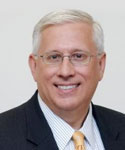 | David H. SharpeDavid H. Sharpe, CPA, is an adjunct professor of accounting at Baruch College and Kean University, and instructed accounting and auditing at Berkeley College following a 38-year career at PwC (including 28 years as a partner). More content by David H. Sharpe: Learn more from David H. Sharpe: |